
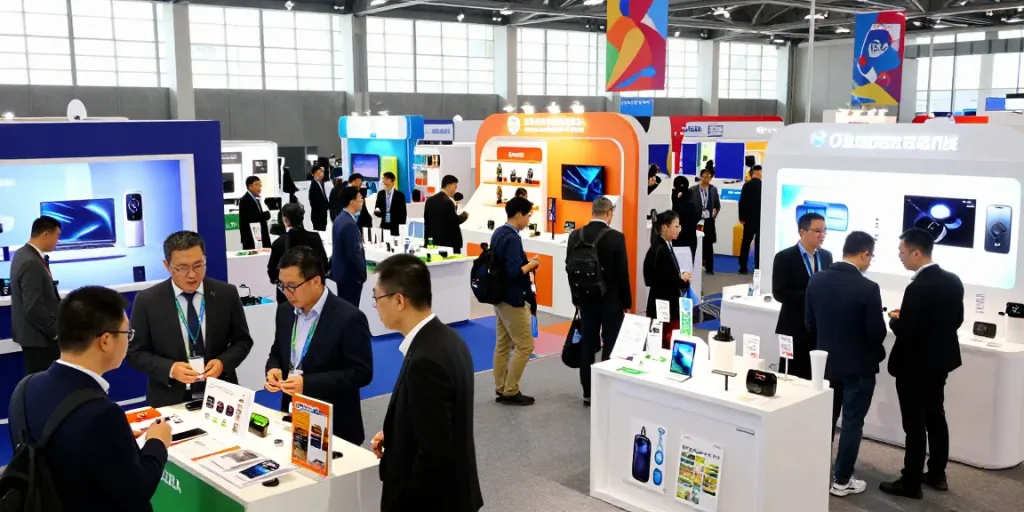
Understanding the Role of Exposants in Trade Shows
Exposants play a crucial role in trade shows, serving as the primary entities that showcase products and innovations to potential customers. Their presence not only enhances the vibrancy of exhibitions but also creates an opportunity for businesses to connect directly with their target audience. From small start-ups to large corporations, exposants can vary significantly in size and industry focus, but their common objective remains to attract interest and generate leads. Exposants must be well-prepared and strategic to maximize their impact at these events.
Defining Exposants and Their Impact
At its core, an exposant is a participant in an exhibition or trade show, responsible for presenting goods, services, or innovations. The success of a trade show heavily depends on the quality of the exposants; their engagement with visitors directly influences the event's overall effectiveness. Exposants contribute to creating a dynamic atmosphere by showcasing new products, sharing industry trends, and offering live demonstrations.
The impact of exposants goes beyond mere representation. They act as the face of their respective brands, creating lasting impressions through interactive experiences that resonate with visitors. As a result, the ability of exposants to connect emotionally can lead to increased brand loyalty and customer retention.
The Historical Context of Exposants at Trade Events
Historically, trade shows have served as platforms for businesses to demonstrate their latest advancements and products. Dating back to the Middle Ages, these events allowed merchants to gather and showcase their goods. Over the centuries, trade shows evolved into organized events that not only highlighted products but also facilitated networking and knowledge-sharing among industry professionals.
In the modern context, exposants are increasingly seen as vital contributors to the overall success of trade shows. With advancements in technology, the expectations from exposants have transformed, requiring them to go beyond traditional exhibits to incorporate innovative engagement strategies that captivate audiences.
Identifying Key Types of Exposants
Exposants can be categorized into several key types based on their industry, size, and objectives. Understanding these categories can help businesses tailor their trade show strategies effectively:
- Product Exhibitors: These are the most common type of exposants, showcasing physical products ranging from electronics to clothing.
- Service Providers: Companies that offer services, such as consultancy or technology solutions, often participate in trade shows to build relationships and showcase their expertise.
- Startups: New entrants to the market use trade shows to gain visibility and connect with potential investors or clients.
- Industry Associations: These exposants promote their organizations and provide resources for members and stakeholders.
Common Mistakes Made by Exposants
Neglecting Audience Engagement Strategies
One of the most critical mistakes exposants make is failing to engage their audience effectively. In a bustling trade show environment, standing out requires more than just attractive displays; it calls for interactive and engaging presentations. Without a clear strategy for audience engagement, exposants risk losing potential leads and brand recognition.
Overlooking Booth Design and Setup
The design and setup of an exhibition booth are paramount to attracting visitors. Exposants often overlook the importance of a well-thought-out booth layout that facilitates easy navigation and encourages interaction. An uninviting or cluttered booth can lead to missed opportunities and diminished interest from attendees.
Failing to Measure Return on Investment
Many exposants enter trade shows without a clear plan to measure their return on investment (ROI). Understanding the effectiveness of participation is crucial, as it allows businesses to refine their strategies for future events. Metrics such as lead generation, sales conversions, and audience engagement levels should be tracked and analyzed to gauge success.
Best Practices for Successful Exposants
Creating an Engaging Booth Experience
To create an impactful trade show experience, exposants should focus on designing immersive and interactive booth environments. Incorporating technology such as augmented reality or interactive displays can enhance audience engagement and provide memorable experiences that resonate long after the event.
Utilizing Technology for Enhanced Interaction
The effective use of technology is essential for successful exposants. Tools like event apps, social media platforms, and QR codes can facilitate real-time interactions, allowing exposants to connect with attendees before, during, and after the event. Additionally, leveraging data analytics helps in understanding attendee behavior and preferences.
Developing Effective Marketing Materials
High-quality marketing materials are crucial for capturing interest and providing essential information. Brochures, flyers, and digital presentations should be thoughtfully designed to convey a clear message about the exposant’s offerings. Branding consistency across materials helps solidify recognition and trust among prospective clients.
Real-World Case Studies of Successful Exposants
Analysis of High-Impact Trade Show Booths
Numerous case studies illustrate the success of exposants who effectively utilized innovative strategies in their booth design. For instance, Company X integrated a virtual reality experience that allowed visitors to interact with products in a simulated environment, significantly increasing foot traffic and lead generation.
Success Stories from Major Industries
Across various industries, exposants have reported substantial gains by adopting novel approaches. For instance, an automotive company utilized interactive driving simulators at their booth, engaging attendees and resulting in a 40% increase in post-show sales inquiries.
Lessons Learned from Failed Exhibitions
Not all exposants achieve success. Learning from unsuccessful exhibitions is equally important. A common pitfall identified in several case studies was the lack of clear objectives and targeted messaging, resulting in wasted resources and minimal impact on attendees.
Future Trends in Trade Shows for Exposants
The Rise of Virtual and Hybrid Exhibitions
As we approach 2026, the landscape of trade shows is shifting towards virtual and hybrid models. The pandemic accelerated this trend, allowing exposants to reach a global audience without geographical limitations. Businesses that embrace these models will find new opportunities for engagement and increased reach.
Emerging Technologies Impacting Exhibitions
Innovation continues to redefine how exposants interact with audiences. Emerging technologies such as AI-driven analytics, interactive displays, and enhanced virtual reality experiences are set to transform trade shows, providing richer and more personalized experiences for attendees.
Networking Strategies for 2026 and Beyond
Networking remains a cornerstone of trade shows. Expanding digital platforms will enable exposants to cultivate connections that transcend geographical boundaries. Utilizing social media and online forums to maintain engagement with contacts made at trade shows will become increasingly important.
What are the key benefits of attending as an exposant?
Participating as an exposant offers significant advantages such as increased brand visibility, direct customer feedback, and the opportunity to establish industry connections. Furthermore, exposants can showcase their products in a competitive environment, enhancing their market reputation.
How can exposants measure their success at trade shows?
Success can be measured through various metrics including the number of leads generated, sales conversions, and attendee engagement levels. Setting clear goals before the event will help in assessing the effectiveness of participation afterward.
What technologies should exposants invest in for future events?
Investing in technology such as digital signage, interactive displays, and data analytics tools is essential for modern exposants. These tools can enhance engagement and provide valuable insights into attendee behavior.
How do exposants effectively engage their audience?
Effective audience engagement requires a combination of interactive experiences, clear messaging, and follow-up communications. Utilizing immersive technologies such as AR and VR can significantly enhance audience interaction.
What are common mistakes to avoid as an exposant?
Common pitfalls include neglecting audience engagement strategies, overlooking booth design, and failing to measure return on investment. Avoiding these mistakes is crucial for maximizing the impact of participation in trade shows.